Building a new patio is a big decision, and the material sets the tone. For most New York homes, it comes down to pavers vs. concrete. Both can look great and both have real fans. But they behave very differently over time, especially in our climate.
New York's freeze-thaw cycles are hard on any hard surface. That makes durability a big part of the choice. Cost, looks, and repairs all matter too. In this guide, we'll compare pavers and concrete head to head. You'll see how each one handles cost, style, upkeep, and New York winters.
We'll be straight about the trade-offs of both. By the end, you'll know which material fits your yard, your budget, and your goals. Let's break it down so you can choose with confidence. There's no single right answer here. The best material depends on your budget, your style, and your yard. We'll help you weigh what matters most to you.
Cost: What You Pay Up Front
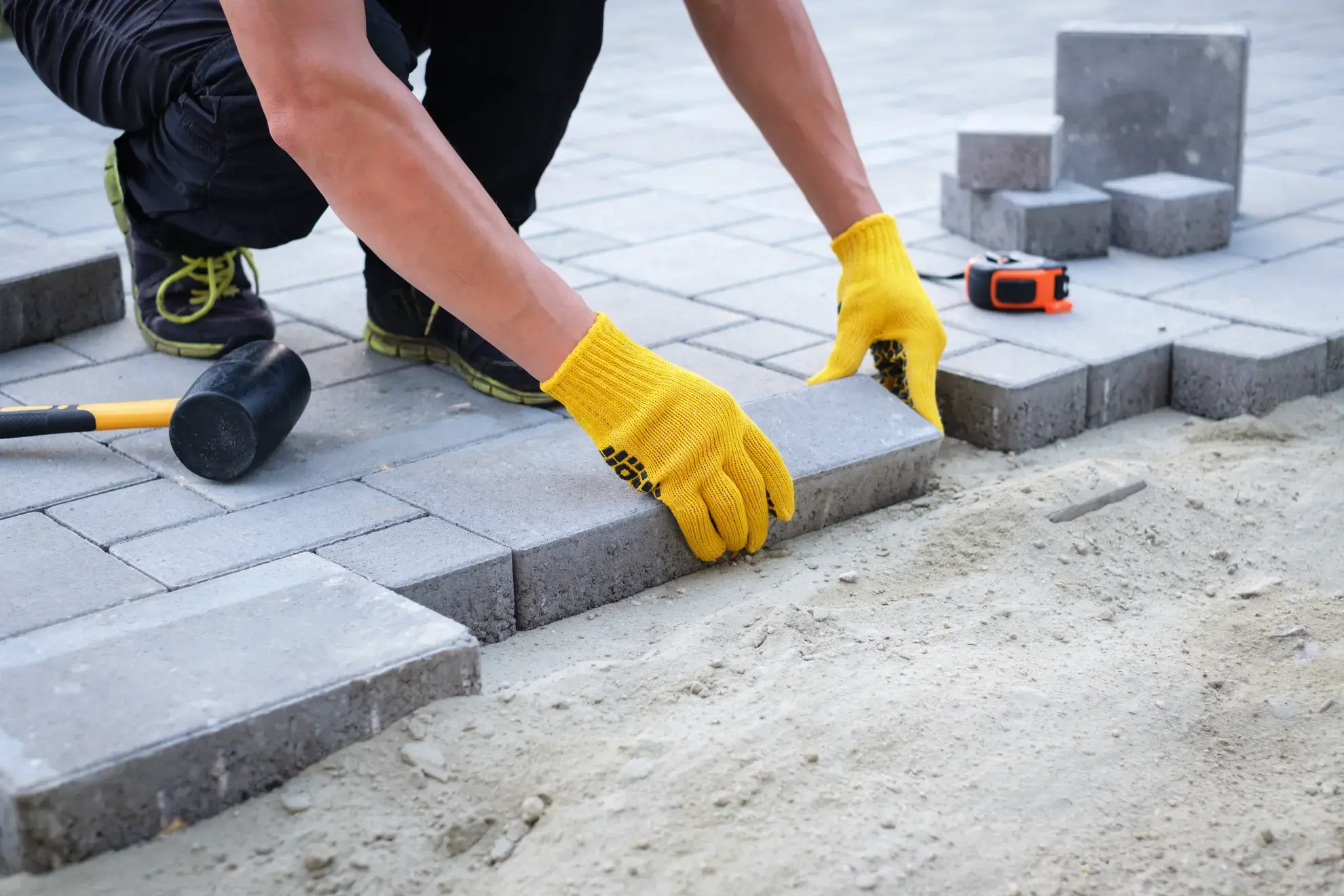
Concrete usually wins on up-front price. A poured concrete slab costs less to install than a paver patio. If your budget is tight, that matters. Pavers cost more because the material and labor take more time. Each piece is set by hand on a prepared base. That extra work shows up in the price.
But up-front cost isn't the whole story. Concrete can crack and need repairs sooner in New York weather. Those repairs add up over the years. Pavers cost more now but often cost less over the long run.
Think about how long you plan to stay in your home. If it's your forever home, the long view usually favors pavers. If you're on a tight budget today, concrete gets the job done.
Looks and Design Options
This is where pavers really shine. They come in dozens of colors, shapes, and patterns. You can mix styles, add borders, and create custom designs. That flexibility lets your patio match your home and taste. Natural stone pavers give a high-end look that buyers love.
Concrete is more limited, though it has come a long way. Stamped and stained concrete can mimic stone or brick. Still, it reads as one solid surface, not individual pieces. Over time, colored concrete can fade in the sun. Pavers hold their color and texture longer.
If design and curb appeal are top priorities, pavers give you more room to play. If you want a clean, simple, modern look, concrete can deliver that well.
How They Handle New York Winters
This is the big one for our climate. New York goes through freeze-thaw cycles all winter. Water seeps into the surface, freezes, and expands. That pressure cracks and heaves hard surfaces over time.
Concrete is one solid slab, so a crack runs and spreads. Once it starts, it usually gets worse each season. Pavers handle movement better because they flex as separate pieces. When the ground shifts, they move without cracking. That's a real advantage in New York.
A proper base with good drainage helps both materials last. But all else equal, pavers deal with our winters more gracefully. If freeze-thaw damage worries you, that's a strong point in their favor.
Repairs and Long-Term Upkeep
Someday your patio will need a little attention. How each material handles that is worth knowing. With concrete, repairs are tricky. A patch rarely matches the original color, so fixes stand out. If a slab cracks badly, you may have to replace a whole section.
Pavers make repairs simple. If one gets stained or cracked, you lift it and drop in a new one. The fix blends right in. Both materials need basic care, like cleaning and weed control in the joints. Sealing helps both look their best.
Overall, pavers give you more flexibility down the road. Concrete asks for less hands-on upkeep but is harder to fix well. Match the choice to how much future maintenance you want to deal with.